
“Creative arts are essential for young people”
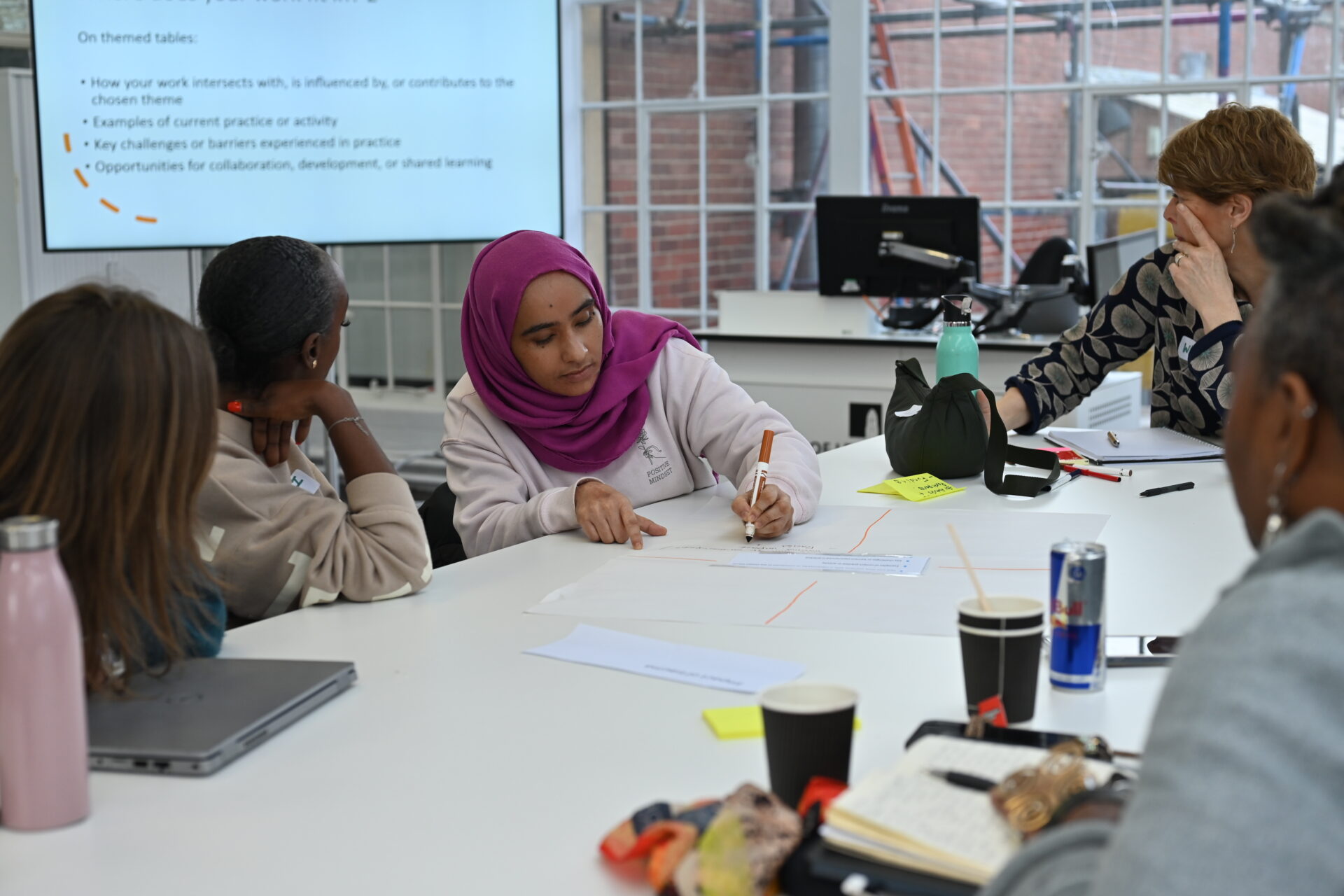
Earlier this year, colleagues from across Leeds came together to explore a simple question: what happens when creativity becomes part of children and young people’s experience of health and wellbeing?
Hosted by the Cultural Institute at the University of Leeds, the workshop brought together young people, academics, creative practitioners, educators and policy actors to share best practice, support each other through challenges, and imagine what creative health could look like if it were properly embedded across our health and education sectors.
The day centred on participants’ experiences of creative health, with plenty of space for reflection and conversation. Young people spoke about the value of having places where they could express themselves without judgement or pressure. One participant captured the mood of the room when they said, “Creativity is a must have, not a nice to have.” Others described how creative practices like art, craft and movement had helped them regulate emotions, build confidence, and feel part of a community. As another participant put it, “When words fail us, art can be the way that we understand.”
These conversations set the tone for a day of honest discussion. It quickly became clear that creative health should be understood as preventative, not only as a response to crisis. In the present climate, however, ideal does not reflect reality. As one participant asked, “Why does your child have to be in crisis before somebody steps in?”
Throughout the workshop, we heard the many ways creativity can help prevent poor health for children and young people. It strengthens protective factors like belonging, emotional regulation and confidence. It creates opportunities for connection, supports young people to connect with their bodies, and offers meaningful alternatives to digital overstimulation. Taken together, these benefits help children and young people feel less alone.
As the day unfolded, participants emphasised how much this work depends on process. They told us that the value of creative health lies not in polished outcomes, but in the act of making. When the pressure to produce is removed, accessibility increases, anxiety reduces, and young people can take the creative risks that support long‑term growth. One participant reminded us, “Creative expression does not always need to be translated immediately into data. Let’s allow it to be art before being something else.”
Partnerships were another recurring theme. While strong collaborative practice exists across the region, it is too often fragmented and short term. Practitioners spoke about the need for early collaboration to avoid duplication, and the importance of embedding young people as partners from the very beginning. Schools emerged as key sites for practice, particularly extra‑curricular and after‑school provision where children can explore without the pressures of assessment. For many young people, especially those with SEND, these spaces are where belonging is built.
Later in the day, we turned our attention to policy. Participants helped shape a short document outlining what matters most in creative health for children and young people. The conversations were thoughtful and generous. People spoke about the need for sustainable funding, smaller ratios, continuity of support, and evaluation methods that capture relational and experiential outcomes. These are the elements that make creative health effective, yet they rarely fit neatly into existing metrics. As one practitioner put it, “Being constantly required to provide more evidence is gruelling and undermining. Research is important, but we need to think carefully about what the right research is.”
Creative health is already making a difference across our region, but it has the potential to do much more. Creative Health Futures aims to build a coherent, sustainable ecosystem for this work by strengthening collaboration between academics, artists, healthcare providers, community organisations and policy actors.
As we look ahead, the message from the workshop was clear: creative health is essential for young people’s wellbeing. It helps them feel seen, supported and connected. And with the right investment, partnerships and policy frameworks, it can become a core part of early intervention across our region.
If you’d like to follow the next steps in this work, you can subscribe to our newsletter and stay connected as Creative Health Futures continues its work.